

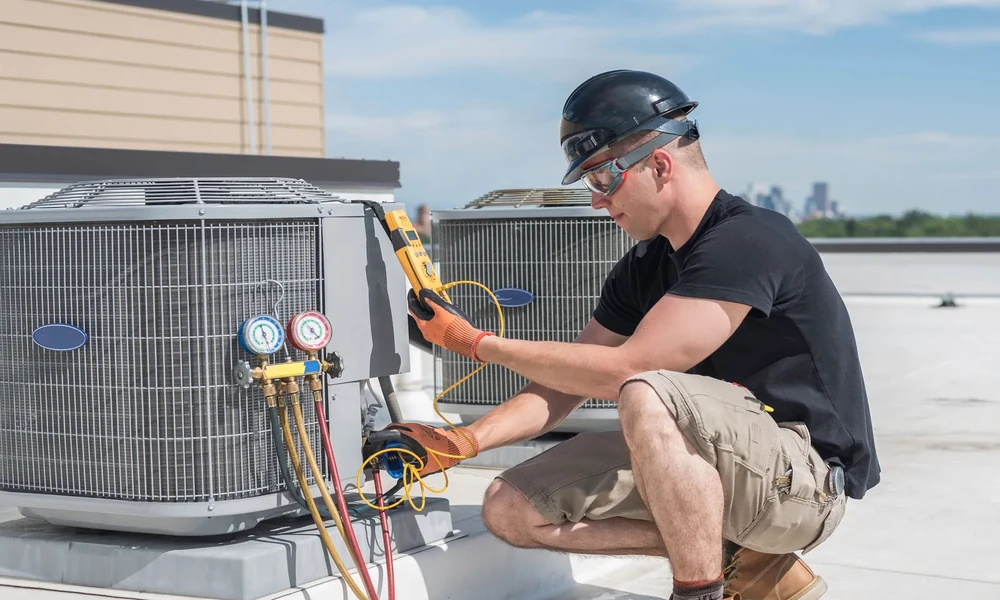
A house can look perfect during a showing and still come with an expensive surprise hiding in the mechanical room. HVAC equipment is one of those systems buyers often notice only when something goes wrong, yet replacing a failed furnace or air conditioner can become a significant first-year expense. A general home inspection can identify visible defects and confirm basic operation, but it is not always a substitute for a detailed evaluation by an HVAC professional.
Before making an offer, or while working through the inspection contingency-pay close attention to these five areas.
Find Out the Age and Service History
Start with the equipment’s manufacture date, model number, and installation history. The data plate on the furnace, air conditioner, or heat pump can help establish how old the equipment is. Age alone does not mean a system needs immediate replacement, but an older system deserves more scrutiny, particularly if there are no maintenance records.
Ask the seller for service invoices and information about previous repairs. A well-maintained older unit may be a better purchase than a newer system that has been neglected.
Also look for mismatched equipment. If the outdoor condenser is relatively new but the indoor equipment is considerably older, have a technician verify that the components are appropriately matched.
Get a Specialist’s Opinion When the Report Raises Questions
One of the most useful inspection findings is sometimes a recommendation for further evaluation. If the report flags an aging compressor, questionable refrigerant performance, electrical concerns, damaged ductwork, or possible heat-exchanger problems, take that recommendation seriously.
For example, buyers researching AC Repair in Kearns may discover that a seemingly minor cooling problem can have several possible causes, from airflow restrictions to electrical or refrigerant issues. A qualified technician can determine whether the problem calls for a relatively small repair, ongoing maintenance, or eventual system replacement.
That distinction matters during negotiations. Instead of asking for a vague concession because “the HVAC is old,” you can approach the seller with a documented condition and a realistic estimate of the work involved.
Test Whether the System Actually Performs
Do not settle for hearing that the furnace and AC “work.” During the inspection, the systems should be operated when conditions allow, and the inspector should document how they respond.
For cooling, the temperature difference between return and supply air can provide useful information about performance. An abnormal temperature split may point toward issues such as restricted airflow, coil problems, or refrigerant-related concerns.
Pay attention to what you hear and feel. Slow temperature changes, weak airflow, unusual rattling, grinding, or repeated cycling deserve investigation rather than dismissal as normal operating noise.
If weather conditions prevent the air conditioner from being safely operated, ask for a professional evaluation when testing becomes possible rather than assuming the system is fine.
Inspect the Furnace for Safety Issues
For homes with gas furnaces, safety deserves particular attention. Ask the inspector to examine the accessible portions of the heat exchanger, burners, flue, and venting.
A damaged heat exchanger can allow combustion gases, including carbon monoxide, to enter the air-distribution system. Proper furnace venting and adequate combustion air are also important parts of a safe installation.
This is an area where buyers should not attempt DIY diagnosis. If the general inspector identifies rust, unusual combustion behavior, damaged venting, or recommends further evaluation, bring in a qualified HVAC technician before finalizing the purchase.
Final Thoughts
The HVAC system should be treated as a major component of the home-not an afterthought buried in the inspection report. Check its age, operating performance, safety, ductwork, and maintenance history, and bring in a specialist when the general inspection leaves important questions unanswered.
A little additional scrutiny before closing can help you budget realistically and avoid discovering an expensive mechanical problem after the keys are already in your hand.
