

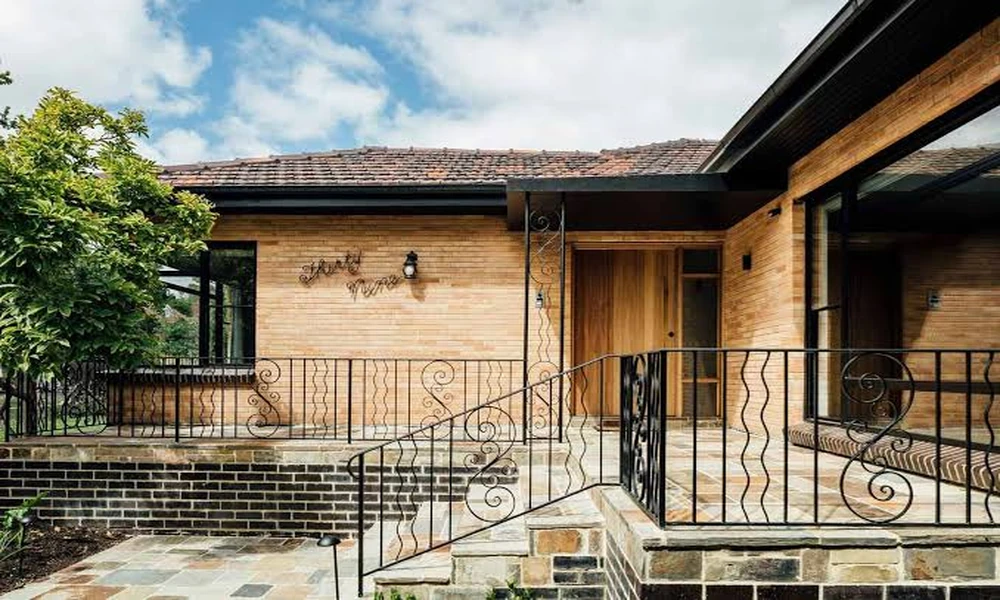
Drive through Clairemont, Allied Gardens or Bay Park and you can almost date the streets by their rooflines. These neighborhoods went up fast in the years after World War II, when San Diego needed housing for a flood of returning servicemen, aerospace workers and young families. Seventy years later, those same houses are some of the most sought after in the city, and also some of the most misunderstood when it comes time to renovate.
The real story of an older house sits behind the drywall. That is why it pays to bring in a team that handles both the planning and the construction under one roof. Edward Dean Design and Build, a family owned and licensed residential contractor working across San Diego, La Jolla and Coronado, has updated plenty of these midcentury bungalows, including a 1960s Clairemont home where new trim, interior doors, refinished walls and a widened opening between kitchen and dining room changed how the whole house felt without gutting it.
That project points to the central idea of this piece. A postwar home rarely needs everything. It needs the right things, done in the right order.
The Houses That Shaped Modern San Diego
Most of these homes share a family resemblance. They are single story, somewhere between 1,000 and 1,500 square feet, built on slabs or short raised foundations, with three small bedrooms and one or two compact bathrooms. Kitchens were closed off by design, since the cook was expected to work out of sight.
None of that is a flaw. The simple footprint is exactly what makes these houses so adaptable. Interior walls are often non structural and lots tend to be generous by today’s standards. What changes over seven decades is everything the original builders could not have predicted, from the number of devices plugged into each room to the way families actually cook and gather.
Reading the Bones Before Picking the Finishes
Before anyone talks about tile or cabinet colors, an older home deserves an honest inspection. The systems in a house built around 1955 or 1962 were designed for a very different life, and several common issues show up again and again.
- Plumbing that has run its course. Galvanized steel supply lines corrode from the inside, which shows up as weak water pressure and rusty tint. Cast iron drain lines under slabs can crack or scale over, and a camera inspection is cheap insurance before new floors go down.
- Electrical service sized for another era. Many homes started with 60 or 100 amp service and ungrounded outlets. Some still carry panel brands that inspectors flag on sight. Adding an induction range, a heat pump or an EV charger usually means a panel upgrade.
- Hidden hazards in old materials. Popcorn ceilings, older vinyl floor tile and some joint compounds from this period can contain asbestos, and any home built before 1978 may have lead based paint. Testing comes before demolition, never after.
- An envelope that leaks comfort. Single pane aluminum windows, thin or missing attic insulation and uninsulated exterior walls make these houses drafty in winter and stuffy on warm inland afternoons.
Finding these issues early simply means the budget protects the house instead of paying for finishes that get torn out later to reach a failed pipe.
Spending Where the Payoff Lives
Once the bones are understood, the question becomes where money changes daily life the most. In most postwar layouts, the answer is the wall between kitchen and living space. Widening or removing that wall brings light deeper into the house, connects the cook to everyone else and makes a modest footprint feel noticeably larger. If the wall carries load, a properly sized beam solves it, and a good contractor will know quickly which situation applies.
Bathrooms come next. Original bathrooms in these homes are often five by eight feet, which leaves little room for reinvention, but a curbless shower, a floating vanity and better lighting can make that small space feel calm instead of cramped. When an adjacent hall closet can be borrowed, the gain is even greater.
Then there are the quieter upgrades that clients sometimes overlook. Taller baseboards and casing, solid core interior doors, smooth refinished ceilings and consistent flooring throughout the house are not dramatic individually. Together, they erase the patchwork of decades and make the home read as one coherent place.
The Forty Five Year Rule That Surprises Buyers
San Diego has a regulation that catches many new owners of older homes off guard. When a permit is sought on a property with a structure that is 45 years old or older, the city runs a historical screening to decide whether the building could be a significant resource. For most tract homes, this review is a short step based on photographs and permit records, and the house is cleared. For a smaller share, staff ask for a more detailed historical study, which adds time and cost. The City of San Diego’s guidance on fixing up or changing buildings 45 years or older explains how the screening works and how projects that respect the original character can move forward.
The practical lesson is to account for this review in the schedule from day one, especially for exterior changes and additions. Homes in coastal neighborhoods like La Jolla can face another layer, since visible changes near the shoreline may also require coastal review. Coronado, as its own city, follows its own permitting path.
Outdoor Rooms and the Salt Air Problem
San Diego’s climate turns a backyard into a second living room, and many midcentury homes were built with small concrete patios that beg to be expanded. A new deck is one of the most rewarding additions, but the coastal environment is hard on materials. Salt laden air corrodes ordinary fasteners, and pressure treated lumber can eat away at standard hardware faster than most people expect.
Composite and capped polymer decking hold up well here because they resist moisture, fading and splintering. Stainless steel screws and properly coated connectors matter as much as the boards themselves. Homeowners in Point Loma, Pacific Beach or Coronado will notice the difference within a few seasons.
Knowing When to Start Fresh
Every so often, an honest look at an old house reveals that remodeling is the wrong path. When the foundation is failing, the layout fights every goal on the list and the systems all need replacement at once, the numbers can tip toward a new build.
California’s housing laws have also made accessory dwelling units far easier to permit, which gives owners of generous postwar lots another option. A detached unit in the backyard can house aging parents or adult children, or generate rental income, while the original house gets a lighter refresh.
The best outcome for a midcentury San Diego home is rarely the biggest project. It is the one that respects what the original builders got right, fixes what time has worn out and adds only what the people living there truly need. Approached with that kind of patience, a seventy year old bungalow can feel like it was built for the family inside it today.
