

It usually starts with a stain. A tan ring shows up on the ceiling after a heavy storm, or a drip lands in the hallway at two in the morning. The first thought for most homeowners is the cost of a brand new roof. In many cases, though, that fear is premature.
A roof is a system of overlapping parts. Shingles, flashing, underlayment, fasteners and sealants all have to work together, and a leak usually means one of those parts has failed in one spot. If the rest of the roof is sound, fixing that single failure can buy years of service.
Homeowners looking into Phenix City AL roof repair are often weighing exactly this choice after a spring storm or a long rainy stretch. Local roofers such as greatroofusa.com handle both repairs and replacements, and the honest answer depends on what is actually happening on the roof. Knowing how leaks behave makes that conversation far more useful.
Water Rarely Drips Where It Gets In
The stain on your ceiling is where water finally showed up. It is rarely where it entered.
Water slips under a shingle or past a piece of flashing, then runs along the top of the roof deck or down a rafter. It can travel several feet before it finds a gap in the decking or a spot of insulation to soak. That is why a roofer will look uphill from the stain, not straight above it.
A look in the attic during or just after rain helps a lot. A flashlight can pick up wet wood, dark trails along rafters, or daylight showing through a nail hole. Photos of what you find give a roofer a head start.
Repairs That Usually Solve the Problem
Most leaks come from a short list of causes. Each one has a fairly standard fix.
Lifted or Missing Shingles
Wind breaks the adhesive bond between shingles. Once a tab lifts, rain can be driven under it. If the shingle is still intact, it can sometimes be resealed. If it is creased or torn, a roofer slides out the damaged piece and weaves in a new one. Matching color can be tricky on older roofs, but it is a small patch.
Failed Flashing
Flashing is the metal that seals joints where the roof meets a chimney, wall, skylight or dormer. It is one of the most common leak sources. Sealant around flashing dries and cracks in the summer heat. Sometimes the fix is fresh sealant. Other times the old step flashing has rusted or bent and needs to be replaced piece by piece.
Nail Pops
Nails can back out as roof decking expands and contracts. A raised nail pushes up the shingle above it and opens a tiny path for water. The repair involves driving a new fastener nearby, sealing the old hole, and covering it properly.
Worn Valleys
Valleys carry more water than any other part of the roof. Debris collects there, and the shingles wear faster. A worn valley can often be rebuilt on its own without touching the rest of the roof.
When Patching Stops Making Sense
Repairs have limits. At some point, fixing one spot only moves the leak to the next weak area. The comparison below shows the signals roofers tend to weigh.
| Points Toward a Repair | Points Toward a Replacement |
|---|---|
| Damage limited to one area or slope | Leaks appearing in several unrelated spots |
| Shingles still flexible with most granules intact | Shingles brittle, curled or bald across the roof |
| Roof is well under its expected lifespan | Roof is near or past its expected lifespan |
| Decking feels solid underfoot | Soft or sagging spots in the deck |
| A single clear cause such as flashing or a nail pop | Repeated repairs over the past few years |
Age matters more than most people expect. A 20 year old shingle roof with one leak is a different situation from a 7 year old roof with the same leak. Spending money on the older roof may only delay a larger bill.
Checking the Roofer Before Anyone Climbs Up
Storms bring out door knockers. Some are legitimate. Many travel from state to state and are gone before a warranty problem appears.
Alabama treats roofing as licensed work. The Alabama Home Builders Licensure Board oversees residential roofers, and state rules require a roofing license when a homeowner contracts directly for residential roofing work costing more than $2,500. Asking for a license number and checking it with the board takes a few minutes.
The Federal Trade Commission also has a plain language guide on spotting home improvement scams. Pressure to sign the same day, demands for large cash deposits and offers to “handle everything” with your insurance company without explanation are common warning signs.
Stopping Damage While You Wait
A leak should not sit for weeks. Wet insulation loses its value, drywall can sag, and mold can start growing in a matter of days in humid weather.
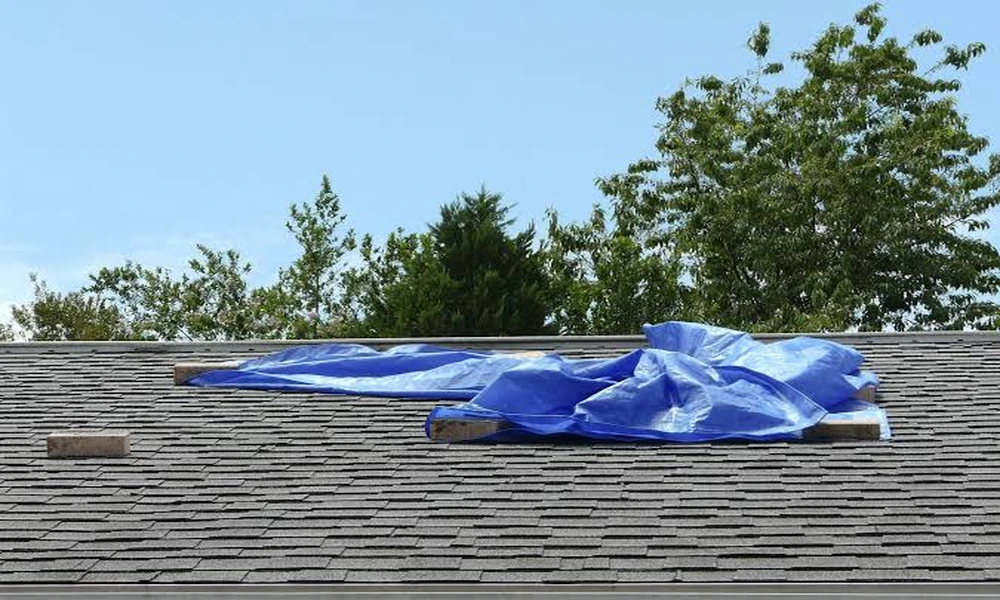
If a repair cannot happen right away, a tarp secured over the damaged area can limit further water entry. This is a job best left to a professional when the roof is steep or wet. Inside, moving belongings, catching drips and running fans can reduce damage. Keep receipts for any emergency steps, since many homeowners policies expect you to take reasonable action to prevent more damage.
How Long Should a Repair Last?
A well done repair on a healthy roof can last as long as the roof around it. The key word is healthy. Patching a roof that is failing everywhere tends to produce a string of new leaks.
It also helps to ask what the repair includes. A good repair addresses the cause, not only the symptom. Replacing a shingle without fixing the cracked flashing beside it, for example, just sets up the next call.
A small leak is an early warning, not necessarily a sentence for a new roof. Finding where the water truly enters, judging the roof’s overall condition honestly and choosing a properly licensed roofer usually turns a stressful stain into a manageable fix.
