
Key Takeaways
Water damage restoration in Jackson begins with a thorough assessment, where professionals identify the source, extent, and severity of the damage and create a detailed restoration plan.
Water extraction is one of the first critical steps after an emergency. Powerful pumps and vacuums remove standing water quickly to help prevent secondary damage.
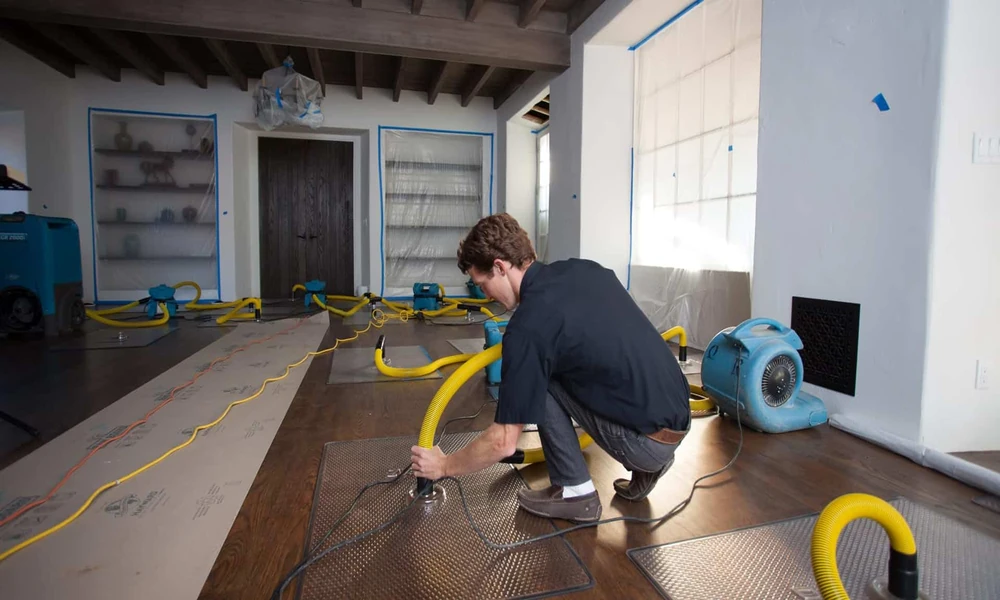
Drying and dehumidification follow water extraction. Industrial-grade fans and dehumidifiers help remove remaining moisture from floors, walls, ceilings, and other affected materials.
Hidden water damage can appear through sudden increases in water bills, musty odors, peeling paint, buckling floors, warped cabinetry, and mold growth.
Calling restoration professionals as soon as water damage is discovered can help limit the spread of damage, reduce potential repair costs, and protect affected materials.
Professional restoration services in Jackson can provide rapid response, specialized equipment, moisture monitoring, and guidance throughout the restoration process.
The restoration timeline depends on factors such as the severity of the damage, property type, affected materials, and environmental conditions.
The Step-by-Step Process of Water Damage Restoration in Jackson
Initial Assessment and Damage Mapping
When water damage occurs in a Jackson property, the first step is a detailed assessment. Restoration professionals inspect the affected areas to determine where the water came from, how far it has spread, and which materials or systems may have been affected.
The assessment involves more than simply looking for visible water. Professionals may inspect walls, floors, ceilings, electrical systems, flooring materials, furniture, and other affected areas. Since moisture can travel behind walls or underneath flooring, specialized equipment is often used to identify areas that may not appear damaged on the surface.
Moisture monitoring is particularly important during this stage. Technicians can use moisture meters and other specialized tools to determine moisture levels throughout the property. The information gathered during the inspection helps create a detailed damage map and establishes which areas require immediate attention.
For property owners seeking water damage restoration jackson, this initial assessment provides an important starting point. It allows restoration professionals to determine the appropriate steps instead of relying only on visible signs of damage.
Water Extraction: The Critical First Step
Once the damage has been assessed, water extraction becomes a major priority. Standing water can quickly move into carpets, drywall, flooring, furniture, and other porous materials. Leaving it in place for an extended period can increase the risk of secondary damage.
Restoration professionals use high-powered pumps and industrial vacuums to remove standing water efficiently. The goal is not simply to make the surface appear dry but to remove as much water as possible from the affected property.
Speed matters during extraction. Water can continue moving through structural materials even after the visible surface appears relatively dry. Rapid extraction helps limit the amount of moisture that materials absorb and prepares the property for the next stage of restoration.
Depending on the severity of the incident, professionals may also identify materials that cannot be effectively salvaged. Removing heavily damaged materials can help make the drying process more effective and reduce the possibility of additional complications.
Drying and Dehumidification Techniques
After standing water has been removed, restoration professionals begin the drying and dehumidification process. This stage focuses on removing moisture that remains inside building materials and the surrounding air.
Industrial-grade air movers and dehumidifiers help improve airflow and reduce humidity. Proper airflow creates the environment needed for affected materials to dry efficiently.
Moisture monitoring continues throughout this stage. Professionals may repeatedly check walls, flooring, ceilings, and other materials to determine whether moisture levels are returning to acceptable conditions.
A property can appear dry while moisture remains trapped in less visible areas. That is why professional monitoring is important. If damp materials are overlooked, lingering moisture can contribute to additional damage and other complications.
Common Signs of Water Damage You Shouldn’t Ignore
How to Identify Hidden Water Damage
Water damage does not always announce itself through obvious flooding. A leak behind a wall, beneath a floor, or inside a cabinet may remain hidden for an extended period.
One possible warning sign is an unexpected increase in the water bill. A sudden change without a corresponding increase in water usage may indicate that water is escaping somewhere within the property.
Unusual odors can also provide an important clue. Musty or unpleasant smells may be associated with trapped moisture and areas that are not drying properly.
Other warning signs include peeling paint, bubbling wallpaper, water stains, and discoloration on ceilings or walls. These visible changes can indicate that moisture has entered materials behind or beneath the affected surface.
Visual Indicators Beyond the Surface
Some signs of water damage are easier to see than others. Buckling or warped flooring, for example, may indicate that moisture has affected the material underneath.
Property owners should not automatically dismiss small signs. A minor-looking problem can develop into a larger restoration issue if the underlying source is not identified and addressed.
Common visual indicators include:
- Cracked tiles: Cracks may indicate moisture-related movement or buildup beneath the surface.
- Warped cabinetry: Cabinets that appear swollen, uneven, or distorted may have been exposed to moisture.
- Mold growth: Visible mold can indicate an ongoing or previous moisture problem that requires attention.
- Peeling paint or wallpaper: Bubbling or peeling surfaces can signal moisture behind the wall covering.
- Buckling floors: Warped flooring can indicate that water has entered the layers beneath the surface.
When to Seek Professional Assessment
A professional assessment can be useful whenever there are signs that water has entered areas that may be difficult to inspect. Water damage is different from many routine household repairs because moisture can spread beyond what is immediately visible.
If there is standing water, persistent dampness, unexplained odors, visible mold, or signs of moisture inside walls or flooring, contacting restoration professionals promptly can help determine the extent of the issue.
Even when the damage appears minor, an inspection can help identify whether moisture has reached hidden areas. Early assessment also gives property owners a clearer understanding of what needs to be done and how extensive the restoration process may be.
The Benefits of Immediate Water Restoration Services
Minimizing Long-Term Damage and Costs
Responding quickly to water damage can help reduce the extent of damage that develops over time. The longer water remains in contact with building materials, the more opportunity there is for moisture to spread.
Professional restoration teams use extraction equipment, drying systems, moisture monitoring tools, and other techniques to address the problem systematically.
Potential benefits of a prompt response include:
- Reduced structural damage: Early extraction and drying can help limit the spread of moisture.
- Lower replacement costs: Materials that can be successfully dried and salvaged may not need to be replaced.
- Faster recovery: A structured restoration process can help property owners move toward normal use more quickly.
- Better documentation: Professional assessments can provide useful information when documenting the damage for insurance purposes.
Health Risks from Delayed Response
Water damage can also create conditions that affect indoor environments. Prolonged dampness may contribute to mold growth and other moisture-related concerns.
For this reason, restoration involves more than simply removing visible water. Professionals also focus on drying affected materials and reducing excess moisture throughout the property.
Prompt action can help prevent a small water intrusion from developing into a larger moisture problem. When contamination or mold is suspected, additional remediation procedures may be necessary depending on the circumstances.
Expert Insight on Damage Mitigation
The central principle of water damage restoration is timely mitigation. The sooner the source is addressed, standing water is removed, and affected materials are dried, the better positioned a property is for recovery.
Professionals can help property owners navigate the restoration process by identifying affected areas, prioritizing urgent work, monitoring moisture levels, and determining which materials may need repair or replacement.
Rather than focusing only on visible damage, the restoration process addresses the property as a whole. This helps ensure that hidden moisture is considered during recovery.
What to Expect When You Call Restoration Professionals
24/7 Availability and Rapid Response Teams
Water damage can happen at any time, which is why many restoration providers offer emergency response services. When property owners in Jackson call for help, the initial response typically focuses on understanding the emergency and determining what action is needed.
A restoration team may ask about the source of the water, the affected areas, whether standing water is present, and whether the source has already been stopped.
Once professionals arrive, they can begin the assessment and establish priorities. Depending on the situation, this may include water extraction, moisture inspection, drying, and recommendations for additional restoration work.
Rapid response is particularly important when water is actively spreading through a property. Addressing the problem earlier can help limit how far the moisture travels.
Understanding the Restoration Timeline
The length of the restoration process varies from one property to another. A small water incident may require significantly less work than extensive flooding affecting multiple rooms or structural materials.
Professionals can provide a more accurate timeline after inspecting the property. Several factors can influence the duration, including:
- Severity of damage: Minor water intrusion may require less extraction and drying than extensive flooding.
- Property type: Residential and commercial properties may have different layouts, materials, and restoration requirements.
- Affected materials: Porous materials may require additional drying or replacement.
- Environmental factors: Temperature, humidity, and airflow can influence drying times.
- Extent of restoration: Some projects require only extraction and drying, while others involve repairs and reconstruction.
Property owners should ask restoration professionals for a clear explanation of the expected timeline and the steps involved.
Real Client Experiences During the Restoration Process
The restoration process can be stressful for property owners, particularly when water damage affects important living or working spaces. Having a clear restoration plan can make it easier to understand what is happening at each stage.
Clients may experience several stages, beginning with the initial inspection and continuing through extraction, drying, cleaning, repairs, and the final walkthrough.
Communication is an important part of the process. Property owners should know what areas have been affected, what work is currently being performed, what materials may require replacement, and what steps remain before restoration is complete.
Understanding these stages can help clients know what to expect when they contact a professional restoration team in Jackson.
FAQ
What advanced equipment is typically used in water damage restoration?
Restoration professionals commonly use moisture meters, thermal imaging cameras, industrial-grade air movers, pumps, vacuums, and dehumidifiers. These tools help identify moisture, remove standing water, and support the drying process.
How can businesses prepare for potential water damage incidents?
Businesses can prepare by performing regular plumbing and building inspections, maintaining drainage systems, monitoring potential leak sources, and developing an emergency response plan. Water detection systems may also help identify leaks before they become more extensive.
Are there specific insurance considerations related to water damage claims?
Insurance coverage depends on the individual policy and the cause of the water damage. Property owners should review their policies and report covered incidents according to their insurer’s requirements. Keeping photographs, documentation, and restoration records can also be useful when handling a claim.
What ongoing maintenance can help prevent water damage?
Regular inspections of plumbing, gutters, drainage systems, roofing, appliances, and other potential water sources can help identify problems early. Maintaining appropriate indoor humidity levels can also help reduce moisture-related concerns.
How does water damage affect property value?
Unaddressed water damage can affect a property’s condition and may become a concern for prospective buyers. Previous water damage may require disclosure depending on applicable requirements and circumstances. Completing appropriate restoration and maintaining documentation can help demonstrate how the issue was addressed.
What types of training do restoration professionals undergo?
Restoration professionals may receive specialized training in areas such as water extraction, structural drying, cleaning, mold-related procedures, and restoration techniques. Some professionals also pursue industry certifications, including certifications associated with the Institute of Inspection, Cleaning and Restoration Certification (IICRC).
Can water damage be covered by homeowner’s insurance?
Some homeowner’s insurance policies cover certain types of sudden and accidental water damage, but coverage varies according to the policy, cause of damage, exclusions, and circumstances. Property owners should review their policy and contact their insurance provider for specific coverage information.
How long does it typically take for a property to fully dry after water damage?
Drying times vary depending on the amount of water, affected materials, temperature, humidity, airflow, and extent of the damage. Some properties may require several days of drying and monitoring. Restoration professionals typically continue checking moisture levels until affected materials have reached appropriate dryness levels.
Useful Resources
- Institute of Inspection, Cleaning and Restoration Certification (IICRC)
- Federal Emergency Management Agency (FEMA)
- American Red Cross
- National Flood Insurance Program (NFIP)
- Centers for Disease Control and Prevention (CDC) – Mold
- Environmental Protection Agency (EPA) – Mold
- Servpro
- Restoration Industry Association (RIA)
- HomeAdvisor – Find Local Contractors