

Designing a home that balances aesthetic appeal with daily functionality is the hallmark of sophisticated living, especially in dynamic spaces like the city-state’s. The flooring choice becomes paramount when tackling high-traffic zones—hallways, living rooms, and communal areas. Since readily available options often fall short on durability or fail to match unique spatial requirements, taking the route to customise carpet offers a superior solution.
Learn the technical specifications and design considerations required to craft a bespoke floor covering that withstands constant use without compromising on style, ensuring your investment in a carpet is both beautiful and built to last.
Prioritising the Core
The starting point for any durable custom carpet is the fibre. The material must possess excellent resilience, often measured by its ability to bounce back after compression. Wool remains the gold standard, offering natural durability, superior stain resistance, and excellent pile recovery. While high-quality New Zealand or British wool is a premium choice, it offers unmatched longevity. Synthetic blends incorporating Nylon (Polyamide) are highly recommended for areas subjected to heavy soiling or where the budget is a tighter constraint. Nylon is renowned for its exceptional wear resistance and is often treated for superior stain-guard properties, making it an incredibly practical choice for busy households with children or pets. Always inquire about the fibre’s denier and resilience rating, which are far more indicative of wear performance than mere cost, when meeting with your supplier for customised carpet.
The Technical Edge
Beyond the fibre itself, a carpet’s structure dictates its longevity. A high-density pile is non-negotiable in high-traffic zones. Density refers to how closely packed the individual tufts of yarn are. A denser carpet resists crushing and matting because the fibres support each other, preventing them from bending over permanently. Remember, when selecting your bespoke piece of carpet in Singapore, look for specifications showing a high number of tufts per square inch.
The second critical factor is pile construction. Loop pile carpets, where the yarn forms small, unbroken loops, are typically the most durable option for busy areas as they resist crushing and don’t show footprints as readily. Additionally, within a loop pile, a Level Loop or Berber construction is excellent for heavy wear. Meanwhile, if a cut pile (like a plush or Saxony) is desired for a softer feel, it must be of exceptional density to prevent the tips from blooming and matting down quickly. A practical compromise for high-end residential use is a Cut and Loop construction, which offers textural interest while maintaining good resilience and helping to camouflage soil and wear patterns.
Strategic Design
While technical specifications dictate durability, smart design dictates how well the carpet hides the inevitable signs of wear and tear. Colour is critical; pale, monochromatic colours will show every speck of dust and spill. Opt for mid-tone colours (like warm greys, taupes, or muted blues) or, better yet, a variegated or multi-colour design for a high-traffic customised carpet.
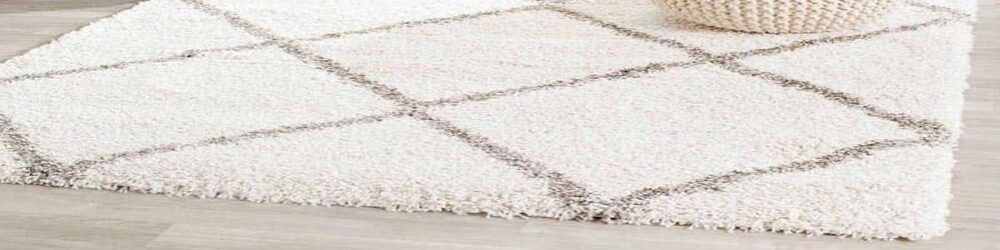
Pattern is arguably the best disguise. A patterned carpet—whether geometric, subtle stria, or abstract—breaks up the visual plane and successfully camouflages compression marks, minor soiling, and the inevitable accumulation of daily debris. The scale of the pattern must also be appropriate for the space. A smaller, continuous texture or geometric print would be more successful in a long, narrow hallway; a large, repeating medallion pattern might look cramped. However, for a large, open-plan living room, a bolder, larger-scale pattern can anchor the space. Ensuring the custom pattern integrates three or more colours provides maximum visual distraction from dirt and maximum design flexibility.
Professional Installation and Maintenance
The final step in ensuring the longevity of your high-traffic carpet is a professional installation with a high-quality underlay. A dense, firm underlay acts as a shock absorber, protecting the carpet backing and reducing the impact of foot traffic, significantly extending the carpet’s life. Furthermore, adherence to a strict maintenance regime—including frequent vacuuming with a quality machine and scheduled professional hot water extraction every 12-18 months—is essential to remove deep-seated grit that can otherwise cut and damage the pile fibres from the base up.
Ultimately, designing a custom carpet for high-traffic zones is an exercise in thoughtful compromise between luxury and logic. You create a beautiful, bespoke floor covering by focusing on resilient materials like wool or high-performance nylon, demanding high density in the pile construction, and employing strategic design choices that camouflage wear. This careful process transforms a simple furnishing into a durable asset, ensuring your tailor-made carpet in Singapore retains its integrity and elegance for years of enjoyment.
Contact CarpetWorkz to design a floor that lasts.