

When the scratching in your ceiling turns out to be more than just your imagination, the real trouble begins. Wildlife intrusions in attics aren’t only unnerving, they can spark a dilemma for homeowners: Is a basic cleanup enough, or is full decontamination absolutely necessary?
When Wildlife Invades: A Typical Attic Incident
Attics are prime real estate for urban wildlife, especially in regions like Montreal and Ottawa. Squirrels, raccoons, bats, and mice frequently find their way inside, seeking warmth and shelter. Their presence might go unnoticed for weeks, but the consequences quickly become obvious: chewed wires, foul odors, and visible contamination.
Some telltale signs show up fast. Droppings, shredded insulation, and persistent scratching noises point to more than just a casual visit. In severe cases, like the notorious Montreal squirrel infestation, structural wood was chewed, and insulation was saturated with urine. These situations rarely end well with a surface-level sweep.
Simple Attic Cleaning: What It Covers
For minor incidents, simple cleaning offers a quick fix. Crews remove visible debris, vacuum droppings, and scrub down accessible surfaces. After a one-time bat visit, for example, a thorough sweep, spot disinfection, and odor neutralizer may do the trick.
Removing Debris and Visible Contaminants
A standard cleaning crew focuses on removing nests, droppings, and soiled insulation. They’ll typically vacuum, wipe down accessible areas, and ensure that major traces of wildlife are gone. For a single bat in your attic, this level of service might suffice, as long as contamination remains minimal.
Limitations: What Cleaning Misses
Yet, basic cleaning has clear limits. Pathogens, mold spores, and deeply embedded waste often survive, especially when animals have inhabited the attic for more than a few days. If only the surface is cleaned, the risk stays hidden beneath the insulation and in the air.
Attic Decontamination: Going Beyond Surface Cleaning
For attics affected by extended wildlife occupation, decontamination is vital. This process digs deeper, targeting pathogens, bacteria, mold, and urine crystals left behind.
What Decontamination Entails: Pathogens, Mold, and Waste Removal
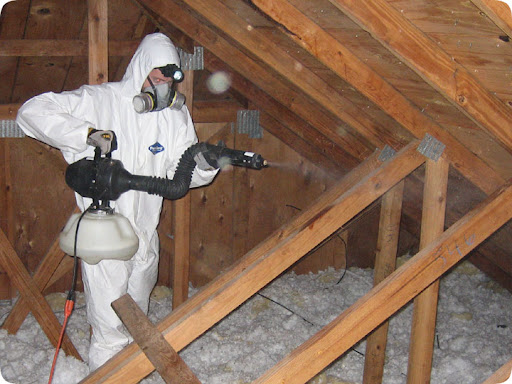
Decontamination isn’t just about what you can see. Specialized equipment and chemicals eradicate harmful microorganisms, while contaminated insulation and building materials are safely removed. In the aftermath of a raccoon invasion in an Ottawa home, professionals donned protective suits to extract all soiled insulation, sanitize the bare attic, and install fresh, uncontaminated materials.
Why It’s Crucial for Health and Safety
Animal droppings and urine can transmit diseases like histoplasmosis, leptospirosis, and hantavirus. Leaving these contaminants behind isn’t just unsanitary, it can seriously endanger anyone living in the home, especially children or those with allergies.
The Role of Attic Insulation in Wildlife Incidents
Insulation is a magnet for animal waste. The fibrous material absorbs urine and odors, making complete cleaning nearly impossible after prolonged exposure.
How Insulation Gets Contaminated
When rodents or raccoons settle in for weeks, their waste seeps deep into insulation layers. Moisture from urine encourages mold growth, further degrading indoor air quality.
When Removal and Replacement Become Necessary
At this point, removal is often the only safe option. Persistent rodent activity in a Montreal attic required the entire insulation to be stripped, the space decontaminated, and new insulation installed. Skipping this step leaves homes vulnerable to recurring smells and health hazards.
Comparing Costs and Benefits: Cleaning vs. Decontamination
At first glance, a simple cleaning costs less. But is it really a saving?
| Approach | Average Cost (CAD) | Health Risk After Service | Impact on Property Value |
|——————–|——————-|————————–|————————-|
| Simple Cleaning | $400 – $1,000 | Moderate to High | Neutral or Negative |
| Full Decontamination | $1,500 – $3,500 | Low to None | Positive |
Consider two similar wildlife incidents: One homeowner opted for basic cleaning and saw a return of odor and pests within months. The other invested in decontamination, insulation replacement, and saw improved air quality and no recurrence. In the long run, cutting corners usually costs more.
Choosing the Right Solution: Factors to Consider
Not every attic needs the nuclear option, but several factors demand attention.
– Severity and Duration: If animals nested for weeks or months, decontamination and insulation replacement are strongly advised.
– Health Concerns: Households with allergies, children, or immunocompromised individuals should not risk leftover contaminants.
– Local Regulations: Some municipalities mandate professional decontamination after certain wildlife infestations. Experienced providers, like Insulation Services, are familiar with these requirements and can help ensure compliance.
The Restoration Process After Decontamination
Once contaminants are gone, the restoration phase begins. Structural repairs fix chewed wood or torn vapor barriers. Next, preventative measures, like sealing entry points, keep wildlife out. A final inspection and clearance testing confirm the attic’s safety before new insulation is installed. In Gatineau, a full restoration returned a family’s attic to pristine condition and, more importantly, peace of mind.
Preventing Future Wildlife Incidents
Sealing up vulnerabilities is key. Metal flashing, reinforced vents, and chimney caps block common entry routes. Routine attic inspections catch warning signs early. After a major restoration in Kanata, a proactive prevention plan, including regular maintenance, ensured the home stayed wildlife-free.
In the aftermath of a wildlife incident, the choice between cleaning and decontamination is about more than cost. It’s about health, safety, and the long-term wellbeing of your home. The right decision today can spare you bigger headaches tomorrow.
