
Key Takeaways
- Built-in wardrobes use wall-to-wall space so bedrooms avoid wasted gaps beside freestanding cabinets.
- Floor-to-ceiling wardrobe designs add storage without increasing the wardrobe footprint on the floor.
- Built-in wardrobes help furniture sit closer to the wall while keeping walking paths clear.
- Door panels hide shelves and rails so bedrooms look organised even when wardrobes store many items.
Introduction
Bedroom storage should fit the room properly instead of taking up extra space. Cabinets that sit loosely against the wall can waste corners and leave awkward gaps that serve no purpose. Choosing built-in wardrobes changes that arrangement because the storage becomes part of the wall itself. Panels follow the exact wall size, and the compartments hold clothing without extending further into the floor space. Walking around the bedroom stays easier when storage runs along the wall and upward toward the ceiling instead of spreading across the room.
Using Wall Space More Effectively
Wall-to-Wall Storage That Avoids Wasted Corners
Freestanding cabinets rarely match the exact width of a bedroom wall. Narrow spaces appear beside them, turning into areas where dust collects or small items disappear. A layout that stretches storage across the full wall, often seen with wardrobes in Singapore, removes those awkward gaps and uses the entire length of the room more efficiently.
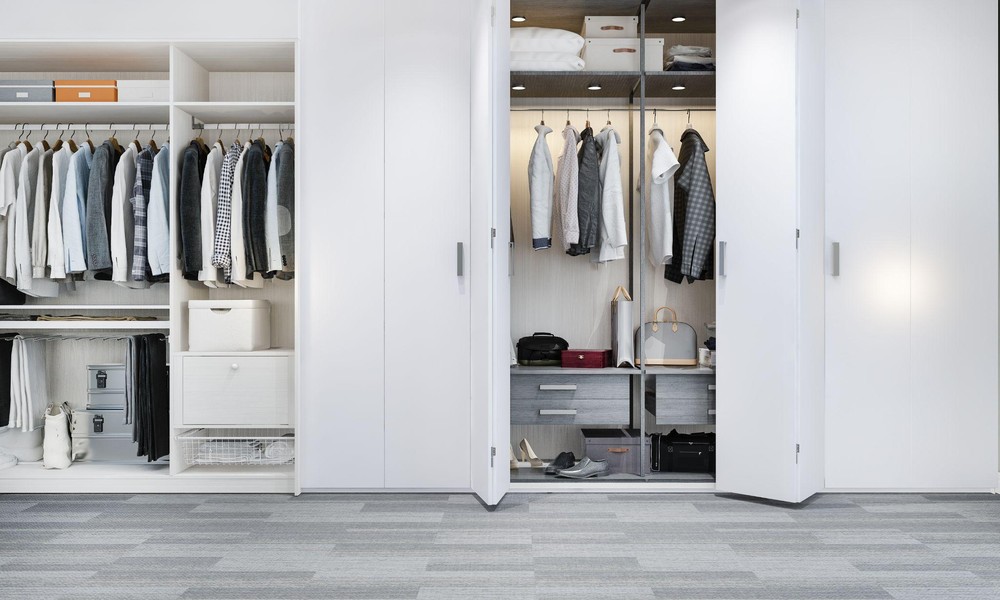
Clothing rails, shelves, and drawers can extend across the full wall rather than stopping halfway. Instead of leaving empty strips beside a cabinet, the storage runs continuously from one side to the other, which keeps the room organised and removes small unused gaps beside the wardrobe.
Vertical Storage That Reaches the Ceiling
Ceiling height offers storage potential that many cabinets ignore. Storage systems that extend upward, such as built-in wardrobes, use the vertical dimension of the room while keeping the footprint steady on the floor.
Upper compartments hold travel bags, seasonal clothing, or spare bedding. Daily items remain in lower sections, while the higher areas quietly store belongings that appear less frequently. The room gains more storage while the same floor space remains available.
Helping Bedroom Layouts Stay Flexible
Furniture Placement Becomes Easier
Beds, desks, and side tables need room to breathe. Storage designs that sit flush with the wall, a feature common with wardrobes in Singapore, leave more freedom when arranging other furniture pieces.
A wardrobe that stays flush with the wall allows beds to sit closer without blocking movement. Walkways stay clear, and furniture becomes easier to arrange when the wardrobe does not stick out into the room.
Storage That Adapts to Room Shapes
Bedrooms rarely come in perfect rectangles. Alcoves, corners, and uneven walls can make freestanding furniture difficult to position neatly. Panels used in built-in wardrobes can follow those shapes so storage fits the room rather than forcing the room to adjust.
Shelves and rails may sit inside recesses that would otherwise remain unused. Corners become storage opportunities instead of empty spaces, which helps use space that might otherwise stay empty.
Keeping Bedrooms Visually Calm
Doors That Hide the Storage
Bedrooms feel calmer when storage stays visually contained. Built-in designs appear frequently among wardrobes in Singapore because the doors create a continuous surface that blends into the wall.
Once closed, the panels conceal shelves, rails, and clothing. The wardrobe stores clothing behind closed doors so the room looks tidy and other furniture remains easy to notice.
Storage That Works Quietly in the Background
Rooms function best when large furniture pieces cooperate with the layout. Built-in wardrobes sit neatly along the wall, leaving beds, lighting, and other furnishings to define the centre of the room.
Clothing stays organised behind the doors while the rest of the bedroom remains open for daily use. Walkways stay open, furniture placement stays flexible, and the wardrobe simply handles storage without demanding attention.
Conclusion
Built-in wardrobes help bedrooms use wall space more effectively while protecting valuable floor area. Storage follows the room dimensions, reaches upward, and removes unused gaps around freestanding cabinets. Bedrooms remain easier to organise when wardrobes sit flush with the wall instead of acting like bulky cabinets.
Contact Maxi Home today to discuss built-in wardrobe options that organise clothing neatly while helping your bedroom use wall space more effectively.