
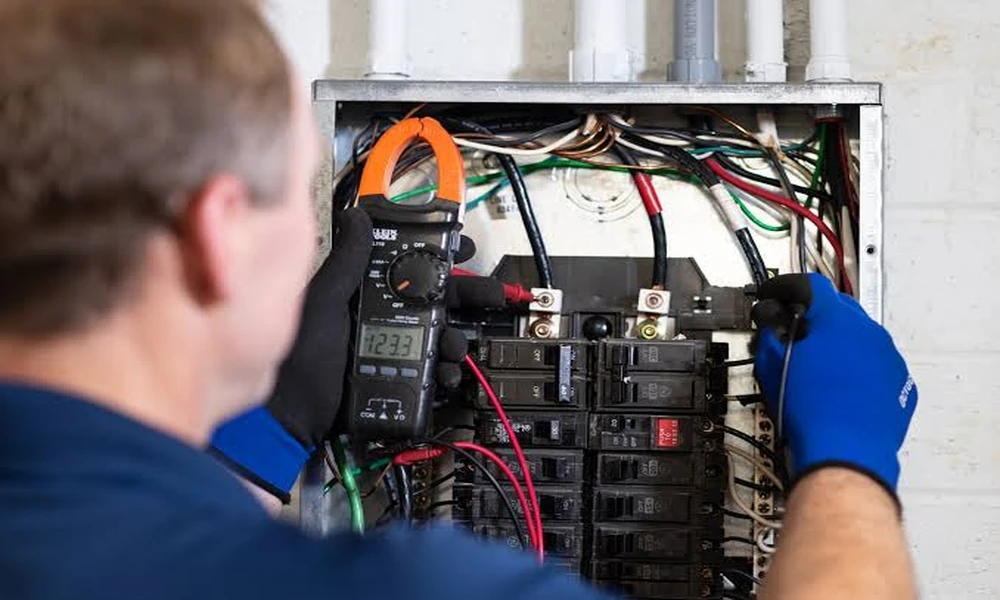
Austin, Texas homeowners know how disruptive a power outage can be. A storm rolls through, the grid goes down, and suddenly the refrigerator stops running, the air conditioning shuts off, the Wi-Fi disappears, and the home office goes dark. During a short outage, that may be an inconvenience. During a longer outage, it can become a much bigger problem.
That is one reason more homeowners are looking into backup power options, including permanently installed standby generators and portable generators paired with properly installed interlock systems.
But there is an important step that should happen before buying a generator: have the home’s electrical panel evaluated.
It is easy to look at a breaker panel and assume that everything is ready for backup power, especially if there appear to be a few empty breaker spaces. Unfortunately, an open space does not automatically mean the panel has the capacity, compatibility, or configuration needed for a generator installation.
The electrical panel is the point where incoming electrical power is distributed throughout the home. When a generator is added, the system has to be configured so that generator power can be safely connected to the home’s circuits without creating dangerous conditions.
For homeowners considering backup power in Austin, understanding the relationship between the generator and electrical panel can make the entire project easier to plan.
Why Your Electrical Panel Matters When Adding a Generator
A generator does not simply plug into the house and start powering everything.
The generator has to connect to the home’s electrical system in a controlled manner. Depending on the type of generator and installation, that can involve a transfer switch, automatic transfer equipment, a generator breaker, an interlock system, a power inlet, and other components.
The electrical panel plays a major role in determining how the installation can be completed.
For example, a homeowner may have a 200-amp service panel with several available breaker spaces. At first glance, that might seem like plenty of room. However, the available spaces are only one part of the equation.
An electrician also needs to consider the panel’s overall condition, bus rating, service capacity, breaker compatibility, wiring, grounding and bonding, the generator’s output, and the loads the homeowner wants to operate during an outage.
This is especially important in Austin homes where electrical demand can be significant. Central air conditioning, electric water heaters, ranges, pool equipment, EV chargers, workshops, refrigerators, freezers, computers, and other equipment can all affect the home’s electrical load.
Before adding backup power, the entire system should be looked at rather than focusing on the number of empty breaker spaces.
Standby Generators vs. Portable Generators With Interlock Systems
There are several ways to provide backup power, but two common options for homeowners are standby generators and portable generators.
A standby generator is permanently installed outside the home. Depending on the system, it can automatically detect a utility outage and transfer selected electrical loads to generator power.
Because standby generators are integrated into the home’s electrical system, the installation requires careful planning. The generator must be properly sized, and the transfer equipment must be compatible with the home’s electrical service and panel configuration.
Portable generators work differently.
A portable generator can be moved or stored when it is not needed, but it still needs a safe method of connecting to the home’s electrical system. One option is a properly installed generator inlet and interlock system.
An interlock system is designed to prevent utility power and generator power from being connected to the home’s electrical system at the same time. When the generator is being used, the interlock allows the appropriate generator connection while preventing the main utility breaker from being turned on simultaneously.
That sounds straightforward, but the installation still requires more than simply adding an interlock plate to a breaker panel.
The specific panel, breaker arrangement, generator connection, inlet, wiring, grounding, and other components all need to be compatible with one another.
Which Circuits Actually Need Backup Power?
One of the biggest questions homeowners should answer before installing a generator is surprisingly simple:
What do you actually want to keep running during an outage?
The answer can have a major effect on generator size and electrical-panel planning.
Some homeowners want nearly the entire house powered during an outage. Others are primarily concerned with a few essential systems.
A typical backup-power plan might prioritize:
- Air conditioning or selected HVAC equipment
- Refrigerators
- Freezers
- Interior lighting
- Security systems
- Internet equipment and networking devices
- Home office equipment
- Garage doors
- Certain kitchen appliances
- Sump pumps or other critical equipment where applicable
- Medical or other essential household equipment
- Selected exterior lighting
HVAC deserves particular attention.
In the middle of an Austin summer, losing air conditioning is more than an inconvenience. However, air conditioning equipment can have a substantial electrical demand, particularly when a compressor starts. The generator needs to be appropriately sized for the actual electrical load and starting requirements.
A homeowner who only needs the refrigerator, freezer, lights, Wi-Fi, security system, and a few outlets during an outage may have very different generator requirements from someone who wants to operate multiple HVAC systems, a pool pump, an electric range, and an EV charger.
A load evaluation helps determine what is realistic.
Panel Compatibility Is About More Than Empty Spaces
This is where the idea that “there are several empty spots in my panel, so I’m good to go” can get homeowners into trouble.
Open breaker spaces are useful, but they do not tell the entire story.
The panel has a specific rating and design. Breakers must be compatible with the panel. The busbar has a rating. The service equipment has limitations. The existing electrical installation may also contain components that are outdated, damaged, modified, or otherwise unsuitable for the planned upgrade.
The electrician may also need to determine how the generator connection fits within the applicable electrical requirements.
In other words, space is not the same thing as capacity.
A panel can have several empty positions and still require additional evaluation before a generator can be safely connected.
This is one reason a professional inspection before purchasing backup-power equipment can save a homeowner from buying a generator that ultimately does not fit the home’s electrical needs.
What About Older Electrical Panels?
Older homes throughout the Austin area can have electrical panels that were installed decades ago.
Age alone does not automatically mean a panel must be replaced. However, older electrical equipment deserves a closer look before adding a significant new electrical load or modifying the service.
A panel evaluation can identify issues such as outdated equipment, signs of overheating, corrosion, damaged breakers, poor connections, inadequate capacity, or other conditions that may need to be addressed.
If the existing panel is not appropriate for the planned generator installation, replacing or upgrading it may become part of the project.
That may seem like an added expense when the original goal was simply to install backup power. But replacing an unsuitable panel before installing a generator can provide a better foundation for the home’s electrical system.
It may also create additional capacity for future electrical improvements.
Planning Backup Power for Your HVAC and Refrigeration
Austin’s climate makes HVAC one of the most important considerations when planning backup power.
During a summer outage, a generator that keeps the refrigerator running but cannot support the home’s necessary cooling may not meet the homeowner’s actual needs.
At the same time, attempting to power every electrical appliance without properly sizing the generator can create problems.
Refrigerators and freezers are often included in essential-load plans because an extended outage can put food at risk. These appliances cycle on and off, meaning the generator needs to accommodate their electrical demand when they start.
A professional electrician can help identify which circuits serve these appliances and determine how they should be incorporated into the backup-power plan.
The same principle applies to home offices.
For someone who works from home, keeping a computer, monitor, router, modem, and other networking equipment operating may be important. A relatively small group of circuits can provide a significant amount of functionality during an outage when they are intentionally selected.
Security Systems and Smart Home Equipment
Backup power can also be valuable for modern security systems.
Security cameras, alarms, network equipment, smart locks, video doorbells, and other devices depend on electricity and, in many cases, an active internet connection.
A homeowner may not need to power every circuit in the house to keep these systems operating.
Instead, the electrician can help identify the relevant circuits and incorporate them into the backup-power strategy.
This is another example of why deciding which circuits matter before the installation is so useful. The goal is not necessarily to turn every electrical device in the house back on. The goal is to make sure the generator is providing power where it is actually needed.
Whole-Home Surge Protection Can Be Part of the Upgrade
When homeowners think about electrical upgrades, backup power is often the main focus. However, it can also be a good opportunity to look at the home’s overall electrical protection.
Whole-home surge protection is one option worth discussing with an electrician.
Electrical surges can originate from utility-related events, equipment switching, lightning-related activity, and other sources. A whole-home surge protective device installed at the electrical service equipment can provide another layer of protection for connected electrical systems.
Modern homes contain a lot of sensitive electronics. Televisions, computers, appliances, smart-home equipment, HVAC controls, networking equipment, and other devices can all represent a substantial investment.
Whole-home surge protection does not eliminate every possible electrical disturbance, and it should not be viewed as a substitute for properly designed wiring and point-of-use protection where appropriate. However, it can be a useful component of a broader electrical upgrade.
When evaluating a panel for backup power, it makes sense to ask whether surge protection should be included at the same time.
Preparing Your Panel for Future Backup-Power Needs
Not every homeowner is ready to install a generator today.
Maybe the budget is not there yet. Maybe the homeowner is remodeling the kitchen first. Maybe an EV charger is planned for next year. Or perhaps the homeowner simply wants to understand what will be required before making a decision.
That does not mean backup power cannot be part of the electrical planning process.
If you are already upgrading a panel, rewiring part of the house, adding a major appliance, or performing another significant electrical project, tell your electrician that backup power may be something you want in the future.
Planning ahead can help avoid creating a system that works for today’s needs but makes tomorrow’s upgrades more complicated.
A professional electrician can evaluate the existing service, discuss potential future loads, and help determine what improvements may make sense now versus later.
Is Generator Installation a DIY Project?
This is one area where being a handy homeowner does not necessarily make a do-it-yourself installation a good idea.
A generator may seem like a relatively simple piece of equipment. But connecting generator power to a home’s electrical system is a different matter.
Improper installation can create serious electrical hazards. One major concern is backfeeding, where electricity from a generator can energize utility lines under unsafe conditions. A properly installed transfer switch or compatible interlock system is designed to prevent the utility and generator sources from being connected in a dangerous manner.
There are also questions involving conductor sizing, breakers, grounding and bonding, panel compatibility, generator connections, transfer equipment, and applicable electrical requirements.
For these reasons, homeowners should not assume that watching a few installation videos makes a generator connection suitable as a weekend DIY project.
Texas homeowners should use a properly licensed electrical professional for electrical work that requires licensing, permits, inspections, or professional installation. A qualified Austin electrician can evaluate the existing system and determine how the generator should be connected rather than trying to make the generator fit an unsuitable panel.
If you are comfortable performing basic home maintenance, that is one thing. Working inside electrical service equipment and modifying the home’s power-distribution system is another.
Have Your Electrical Panel Evaluated Before Buying the Generator
The generator should be selected based on the home’s electrical needs-not the other way around.
Before purchasing equipment, homeowners should consider having an electrician evaluate:
- The existing electrical panel
- Main service rating
- Available capacity
- Panel and breaker compatibility
- Existing wiring
- Generator connection options
- Essential circuits
- HVAC requirements
- Refrigerator and freezer loads
- Home office equipment
- Security and networking systems
- Future electrical loads
- Whole-home surge protection
- Whether the existing panel should be upgraded or replaced
Tejas Electric can help Austin homeowners evaluate these considerations before moving forward with a backup-power project. The company works with homeowners on electrical upgrades designed around the actual needs of the property rather than simply adding equipment without evaluating the existing system.
Build a Backup-Power Plan Around Your Home
A generator is only one part of a backup-power system.
The electrical panel, circuits, transfer equipment, wiring, generator connection, and loads all need to work together. That is why an electrical evaluation should happen before the generator is purchased or installed.
Homeowners in Austin, Texas can work with the licensed electricians at Tejas Electric for a professional electrical panel upgrade when their existing panel needs to be improved as part of a larger electrical project.
Whether the goal is to keep the HVAC running during a summer outage, protect food in the refrigerator and freezer, keep a home office operational, maintain security equipment, or simply have dependable electricity for essential household circuits, the right plan starts with understanding the home’s electrical system.
And if backup power is something you may want down the road, you do not necessarily have to wait until the next outage to start planning.
An electrical panel evaluation today can help you understand your home’s current capacity, identify potential problems, and determine what needs to happen before backup power is added.
For Austin, Texas homeowners, that preparation can make the difference between simply owning a generator and having a backup-power system that is properly integrated into the home.