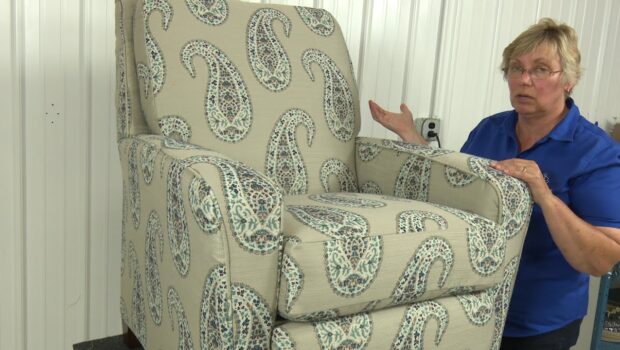

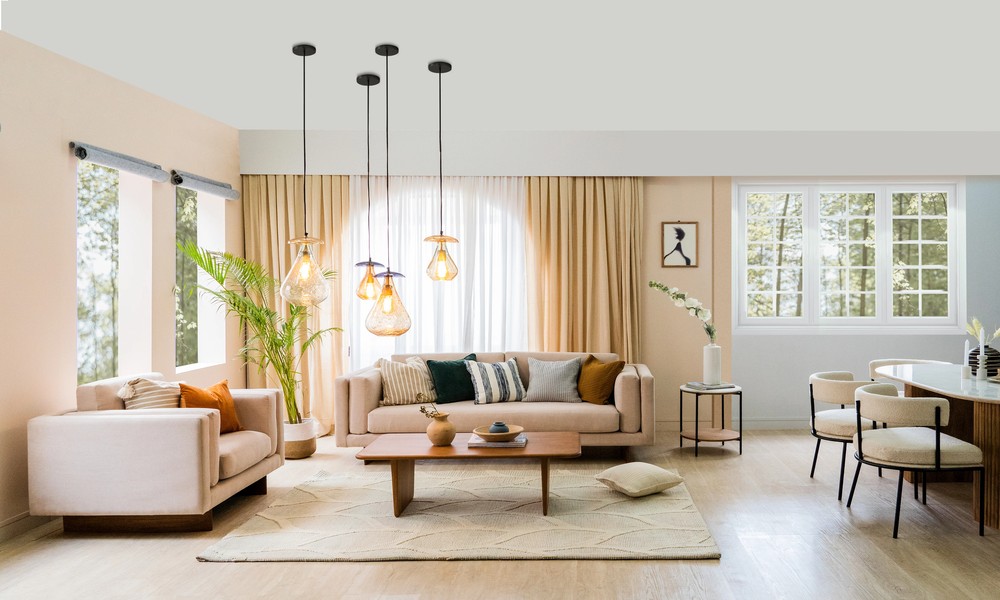
When you walk into a room, what catches your eye first? Often, it is the humble chair, sometimes sculptural, sometimes subtle, always significant. Chairs do more than provide a place to sit. They shape the very mood, flow, and functionality of an interior.
The Origins of Chair Design: From Function to Form
Early Seating Solutions and Their Limitations
Long before chairs became design centerpieces, primitive stools and benches were the norm. Crafted mainly from wood or stone, these early seats prioritized utility over comfort. Backrests were rare, cushioning was nearly nonexistent, and their aesthetic value was no more than an afterthought.
The Emergence of Chairs as Style Statements
With the evolution of craftsmanship and material availability, chair design began to reflect social status and artistic movement. Thrones in royal courts, ornate Victorian parlors, and Art Deco loungers all contributed to this migration from strictly functional objects to signature pieces that expressed identity and taste.
The Rise of Modern Chairs: Materials and Innovations
Introduction of New Materials: Metal, Plastic, and Beyond
The 20th century changed everything. Designers started experimenting with new materials like tubular steel, molded plywood, and injection-molded plastics. Suddenly, chairs could be lightweight, colorful, and curvaceous. Think of how the Eames molded chair or Arne Jacobsen’s Egg Chair brought a futuristic, playful twist to residential spaces. These innovations did not just look different, they felt different to use and to live with.
Ergonomics Meets Aesthetics: Balancing Comfort and Style
Modern chair design revolves around the intersection of comfort and visual interest. No longer would users accept a beautiful chair that was unbearable to sit in, or a comfortable one that clashed with the room’s vibe. Designers found inspiration in the human form, using ergonomic contours and carefully selected fabrics to create pieces that invite lingering conversation or focused work.
How Modern Chairs Shape Interior Ambiance
Visual Impact: Colors, Shapes, and Textures
A single chair can set the entire visual tone for a room. Bold colors energize, while muted tones calm things down. Angular silhouettes signal innovation and edge; rounded forms suggest approachability. The tactile quality of upholstery, velvet, leather, rattan, further layers the sensory experience.
Creating Mood Zones with Chair Placement
The strategic placement of chairs can divide a large, open space into distinct zones without the need for walls. A cluster of lounge chairs forms an intimate conversation area; a set of minimalist dining chairs around a table invites communal dining. In home offices, the right task chair supports productivity while blending seamlessly with the decor.
Influence on Perceived Space and Room Flow
Well-chosen chairs can even change the visual proportions of a space. Transparent acrylic chairs almost disappear, making a small dining nook feel open. Sleek-legged options enhance floor visibility, giving the illusion of more square footage. In contrast, substantial armchairs ground a room and add a sense of security.
Enhancing Functionality Through Design Evolution
Multi-Functional Chairs: Adaptability in Small Spaces
Urban living has fueled demand for adaptability. Chairs that stack, fold, or convert serve more than one purpose, making them indispensable in apartments and compact homes. Some designs feature built-in storage, while others transform from dining to lounge mode, demonstrating the endless versatility of modern seating.
Technological Integrations: From Adjustability to Smart Features
In today’s interiors, function is being pushed even further. Adjustable task chairs with lumbar support, built-in charging ports, and even smart sensors have entered the market. These features address not only comfort but also the practical demands of a tech-centric lifestyle.
The Role of Iconic Modern Chairs in Contemporary Interiors
Designers Who Changed the Game
Icons like Charles and Ray Eames, Eero Saarinen, and Philippe Starck elevated the chair from utilitarian necessity to collectible art. Their work continues to inspire, with originals and reproductions gracing homes, restaurants, and lobbies around the world.
Signature Pieces and Their Legacy
Whether it is the Barcelona Chair’s sculptural confidence or the playful geometry of the Panton Chair, signature pieces anchor spaces in style and history. These chairs bring a story and an instant focal point to any setting.
Trends Driving the Future of Chair Design
Sustainability and Eco-Friendly Materials
Today, both designers and consumers demand accountability. Chairs made from recycled plastics, responsibly harvested woods, or upcycled materials are more than just trends, they are markers of a conscious shift in the industry.
Customization and Personalization in Chair Manufacturing
Mass production is giving way to individual expression. Modular seating, customizable fabrics, and made-to-order colors allow buyers to stamp their own identity on a piece. This shift enhances the uniqueness and emotional connection to furniture.
Practical Tips for Choosing Modern Chairs to Elevate Your Space
– Match chairs to your interior style: Choose designs that echo your architectural lines or decorative motifs.
– Prioritize comfort: Test before you buy, especially for pieces you will use often.
– Consider maintenance and longevity: Opt for easy-to-clean fabrics in family areas, and verify build quality for high-traffic spots.
For those seeking both inspiration and options, Avant-Scene modern chairs present a curated selection that balances innovative design with real-world practicality, making them a valuable resource for design enthusiasts and professionals alike.
Conclusion: The Enduring Impact of Modern Chairs on Home and Office Environments
Modern chairs do more than fill a functional need. They spark conversation, guide movement, and set the emotional temperature of a space. As materials, technology, and creative vision continue to evolve, the humble chair proves time and again that it is at the heart of interior transformation.