

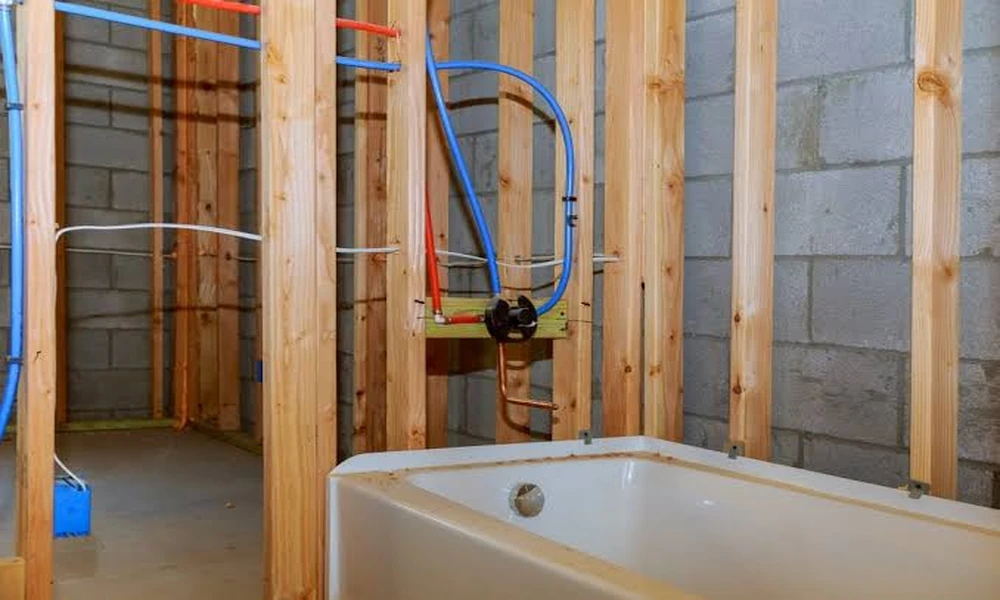
The first few months in a new house often feel worry-free. The fixtures shine, the water heater still has its tags, and nothing has had time to wear out. So when a ceiling stain shows up near the guest bath, or the kitchen sink starts draining slowly within the first year, many owners are caught off guard. The truth is that new homes have their own set of plumbing problems, and most of them come from how the house was built, not from age.
Building around Walton County has grown fast, with new subdivisions going up along the main roads and near the bay. When builders are working on dozens of homes at a time, small mistakes can slip through inspection and stay hidden for months. Many homeowners who notice warning signs early call a licensed plumber in Freeport to find the cause while the builder’s warranty still covers it. Knowing what to look for makes that call much more useful.
New homes generally don’t fail in big, dramatic ways. They fail in small ways that get worse slowly. A fitting that was never fully tightened, a drain line set without enough slope, or construction debris left inside a pipe can all take weeks or months to cause trouble you can see.
Where First-Year Problems Usually Start
Debris Left Behind by Construction
Building a house is messy, and some of that mess ends up in the plumbing. Drywall dust, grout, bits of PVC shavings and even dropped screws can end up in drain lines before the fixtures go on. Supply lines can carry sediment that clogs faucet aerators and showerheads within weeks. If several fixtures lose pressure soon after move-in, debris is a likely cause.
Drains Without the Right Slope
Drain pipes depend on gravity, and gravity only works when the pipe slopes steadily toward the main line. If a run under a slab or in a floor is set too flat, or sags between hangers, water slows down and solids settle. A kitchen drain that gurgles, or a shower that drains fine one week and slowly the next, may be showing an installation problem rather than a normal clog.
Fittings That Loosen Over Time
Many new homes use PEX tubing with crimp or expansion fittings. PEX is reliable when it’s installed correctly, but a fitting that wasn’t crimped all the way can hold for months before it starts to weep. Houses also settle in their first year, and lumber shrinks as it dries in the coastal humidity. That small movement can stress joints and pull loose connections that were barely holding to begin with.
Hot Water That Takes Forever
A long wait for hot water in a brand-new home is a design problem, not a broken part. Builders often put the water heater in the garage, then run long, wide pipes to a primary bath at the far end of the house. Every time someone turns on the tap, the cooled water in that pipe has to drain out before hot water shows up. The EPA’s Guide for Efficient Hot Water Delivery Systems explains how keeping pipe runs as short and as narrow as practical cuts both the wasted water and the waiting time. For an existing home, a recirculation pump or a small point-of-use heater is often a better fix than rerouting pipes.
Signs Worth Taking Seriously
Some changes in a new house are just the house settling in. Others are early warnings. These deserve a closer look before the warranty period runs out:
- A water bill that climbs even though your habits haven’t changed
- Faint brown rings on ceilings below bathrooms or laundry rooms
- Baseboards that swell or separate from the wall near a tub or toilet
- A toilet that rocks slightly or seeps at its base
- Sewer odors from a floor drain or a bathroom that rarely gets used
- Water pressure that drops sharply when two fixtures run at once
Damp spots on a slab floor deserve extra care. In homes built on concrete slabs, which are common across the region, a leak in a supply line under the floor can show up as a warm patch on tile or a carpet that stays damp for no clear reason.
Using the Warranty the Right Way
Most builders offer a one-year workmanship warranty and longer coverage for major systems, often including plumbing supply and drain lines. These warranties only help if problems are reported in writing and on time. Keep a simple file with photos, dates and copies of every message to the builder. Some owners hire an independent inspector to go through the house near the end of the first year, since that is the last chance to report many workmanship issues under standard coverage.
If a serious defect isn’t fixed through the normal warranty process, the law in Walton County’s home state sets out a formal step before any lawsuit. Under the construction defect notice and repair statute, an owner must send written notice of the claim to the contractor, who then gets a set window to inspect the home and respond with an offer to repair, pay, or dispute the claim. Most plumbing disputes never get near that point, but knowing the process exists helps owners keep good records from the start.
Habits That Protect a New Plumbing System
A new home benefits from the same care an older one needs, and starting good habits early pays off for years. Clean faucet aerators and showerheads a few weeks after move-in to clear out construction debris. Run water in rarely used bathrooms so drain traps don’t dry out. Find the main shutoff valve before you need it and make sure everyone in the house knows where it is. Read the water heater’s manual and set a reminder to flush the tank, because sediment builds up from the very first day.
It also helps to learn how the house works. Many builder packages include a plumbing layout or permit drawings, and having them on file makes every future repair faster and less invasive. A plumber who can see where the lines run won’t need to guess, and guessing on a slab home can mean cutting into floors that didn’t need to be opened.
A new house isn’t a guarantee against plumbing trouble, but it does give you a head start. Owners who watch for early signs, write everything down and act while the warranty still applies usually turn first-year problems into small repairs instead of long fights.
